

Back to Top

Dave's Picks

NYT | How a Band of Surfer Dudes Pulled Off the Biggest Jewel Heist in N.Y. History

NYT | How a Band of Surfer Dudes Pulled Off the Biggest Jewel Heist in N.Y. History

Into NYC folklore? Check out this NYT piece.

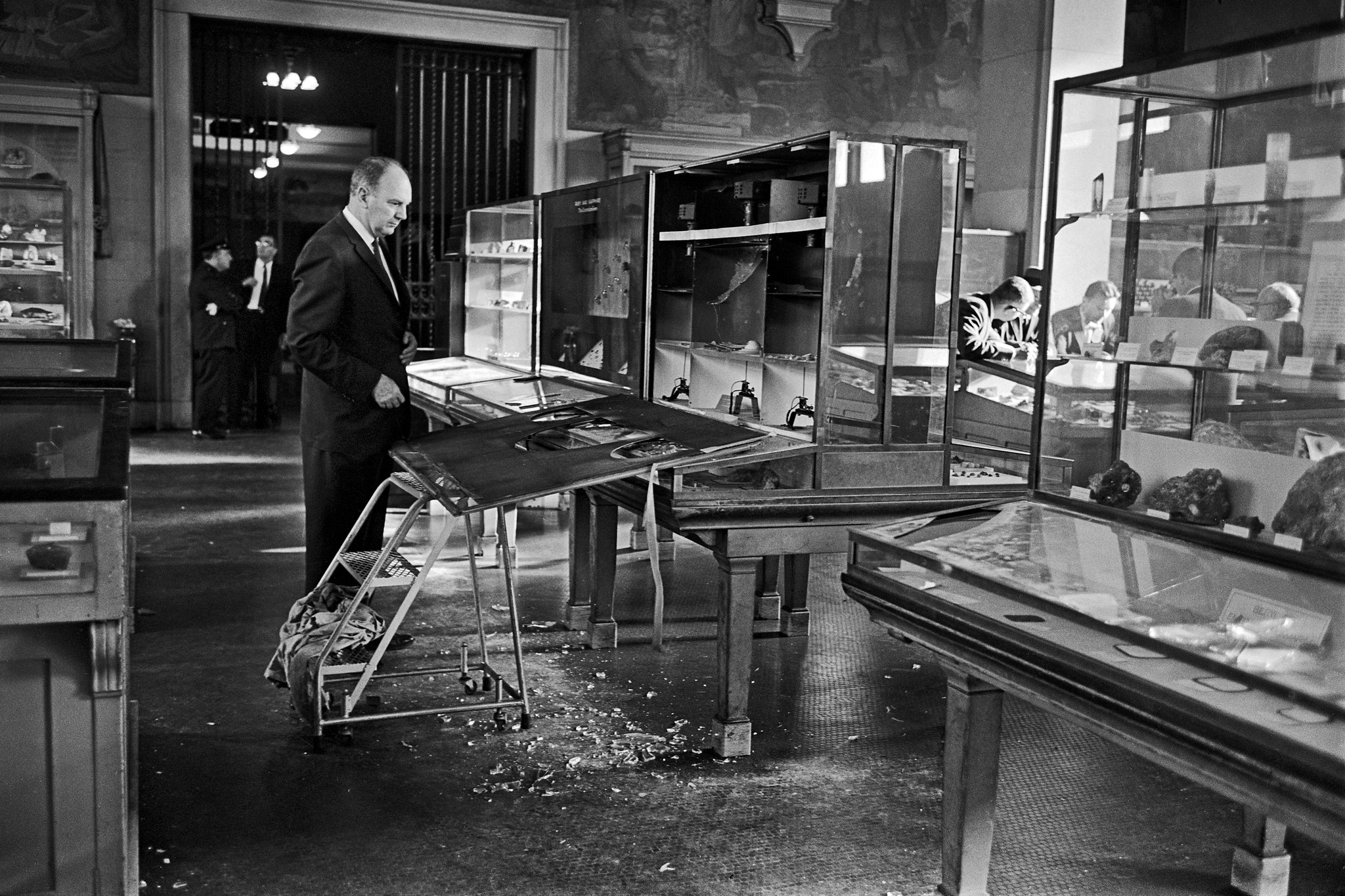
For a few months in 1964, “Murph the Surf” and his crew became folk heroes when they looted the Hall of Gems from the American Museum of Natural History.

This excerpt is from a piece originally published By Corey Kilgannon | Oct. 17, 2019 | Updated Oct. 18, 2019, 3:47 a.m. ET

For its 150th anniversary, the American Museum of Natural History is celebrating its many historic moments, from its 1869 founding, to the 1902 discovery of the first T-Rex skeleton, to the creation of the Teddy Roosevelt statue erected out front in 1940.

One milestone not on that list: the biggest jewel heist in New York history, when the Star of India, a 563-carat sapphire the size of a golf ball, was snatched from its display case, along with the rare Eagle Diamond, the DeLong Star Ruby and some 20 other precious gems from a collection donated to the museum by J.P. Morgan.

For several months beginning in October 1964, the city was transfixed by the brazen robbery that the tabloids immediately labeled the heist of the century.
NYT | The Bar That Has Fed SoHo for Almost a Century

NYT | The Bar That Has Fed SoHo for Almost a Century

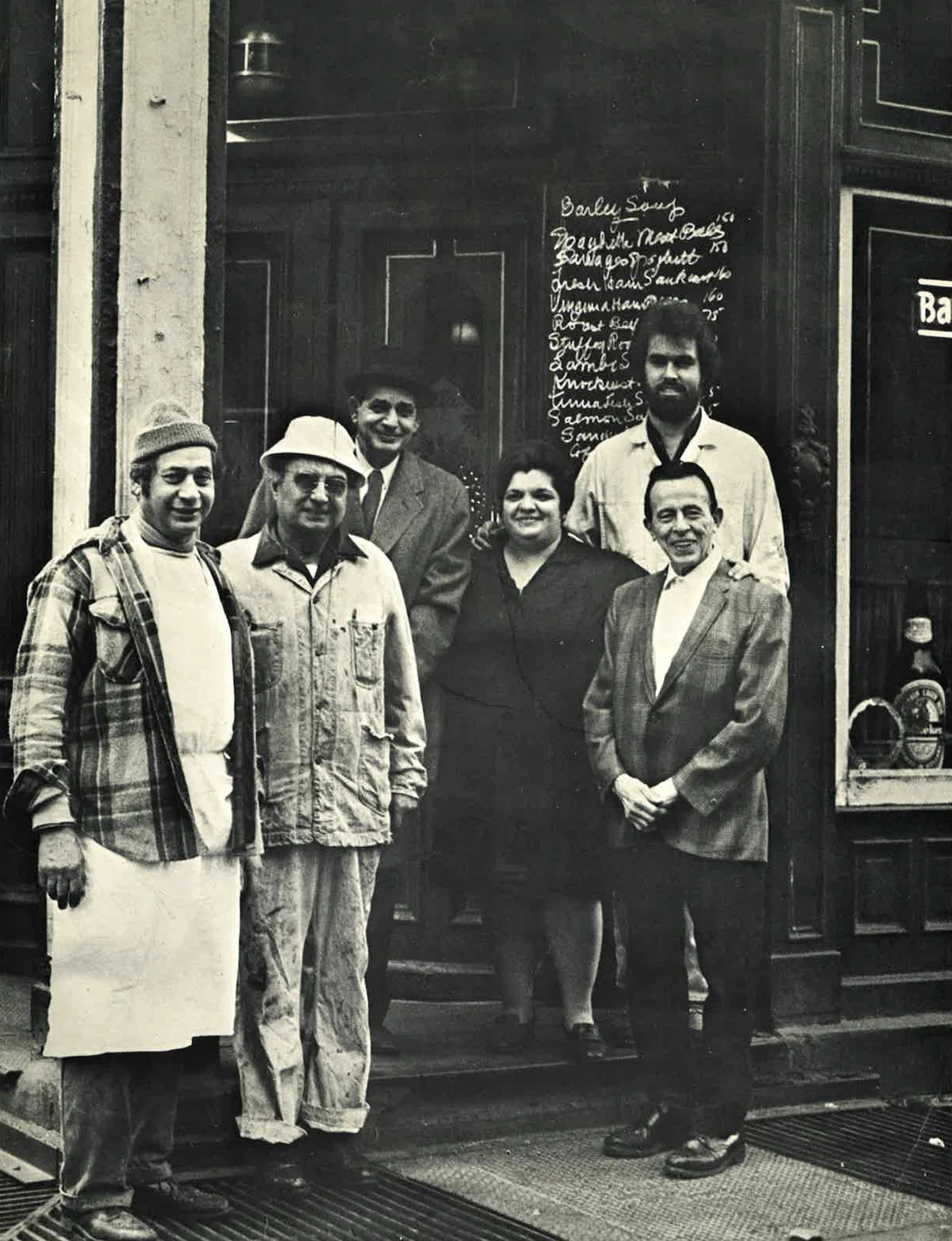
Fanelli’s, on the corner of Mercer and Prince Streets, is a bastion of old New York beloved by artists and tourists alike.

In this series for T, the author Reggie Nadelson revisits New York institutions that have defined cool for decades, from time-honored restaurants to unsung dives.

Seven years ago this fall, when Superstorm Sandy hit New York and there was no power downtown, SoHo was deserted, dark and cold. At Fanelli’s, the neighborhood cafe, though, there were candles on the bar, plenty of booze and, for as long as it lasted, food. Most important, there was company and conversation. “I was here the whole time,” says Sasha Noe, Fanelli’s owner. “Where else could I be?”

Brownstoner | Williamsburg Bank Exhibits Striking Style and Rare Dash of Viennese Influence

Brownstoner | Williamsburg Bank Exhibits Striking Style and Rare Dash of Viennese Influence

Editor’s note: This story is an update of one that ran in 2013. Read the original here.

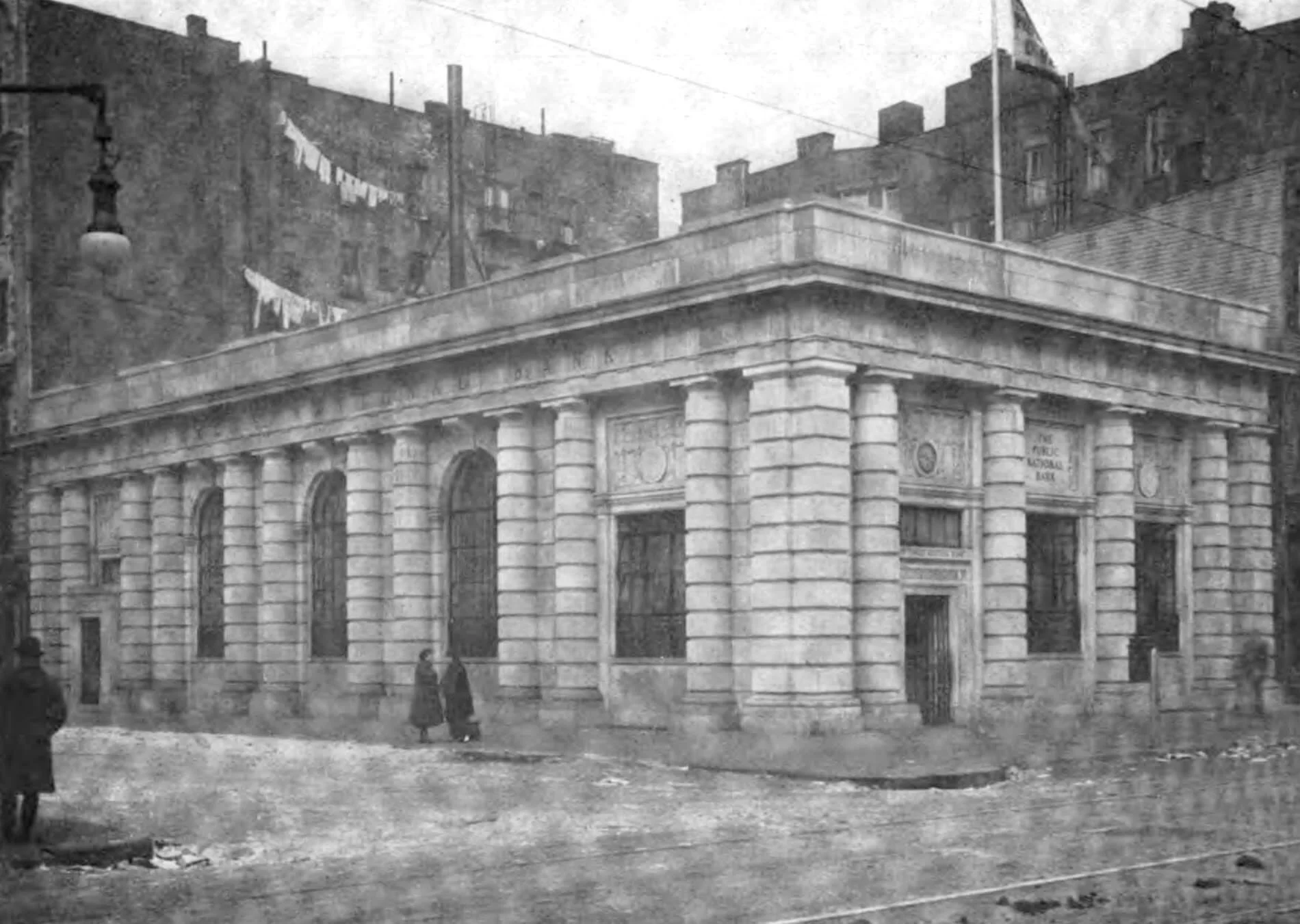
The Public National Bank was founded by Joseph S. Marcus, a German-born clothing manufacturer on the Lower East Side, in 1908. By 1930, there were 30 branches in Manhattan, Brooklyn and the Bronx. It was the one of the largest banks in the entire United States with a predominantly Jewish clientele.

In February of 1921, The New York Times and other publications noted the bank had purchased a plot on the corner of Graham Avenue and Varet Street with the intention of building a new Williamsburg branch. Public National already had a branch in Williamsburg, just two blocks away, but business had grown to the point that they needed to build a larger bank in order to accommodate their customers. Later that same year the architect of the new building at 47-49 Graham Avenue was announced: Eugene Schoen.

NYT | The Heir to a Tofu Dynasty Finally Learns to Make Tofu

NYT | The Heir to a Tofu Dynasty Finally Learns to Make Tofu

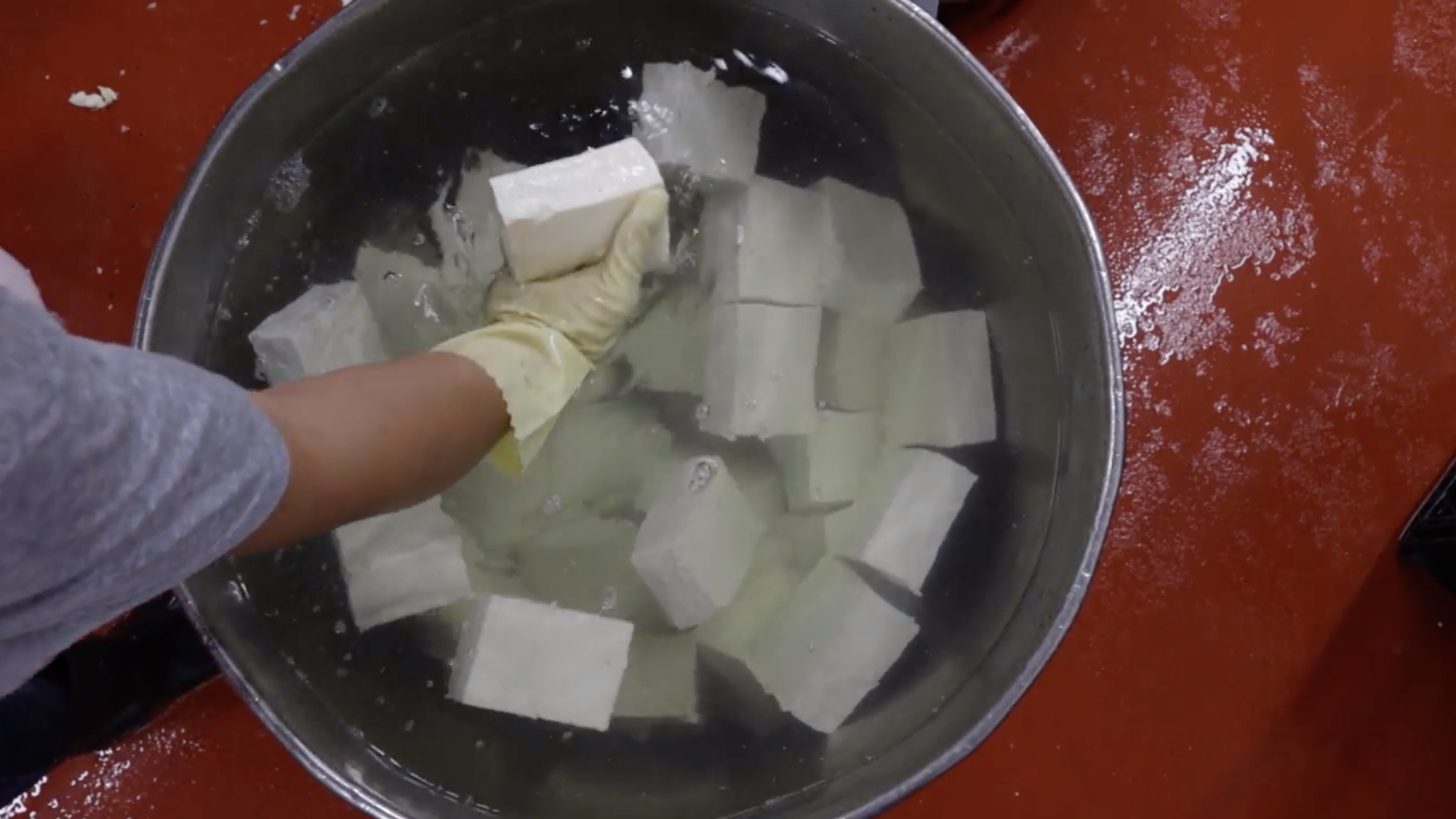
Two years ago, Paul Eng decided to confront a reality he had been facing most of his life: He was the heir to a tofu tradition who had no idea how to make tofu.

Mr. Eng’s grandfather learned the trade in the 1930s from fellow immigrants shortly after he arrived in Chinatown. He went on to open up a small tofu shop on Mott Street, called Fong Inn Too, and developed recipes that would become well loved in Chinatown for more than eighty years. When Mr. Eng’s parents closed the shop in 2017, the recipes, never written down, disappeared with it.

Forbes | Former Teacher, Foreign Service Officer, Campaign Manager: What Enticed This Mid-Career Woman Back To School

Forbes | Former Teacher, Foreign Service Officer, Campaign Manager: What Enticed This Mid-Career Woman Back To School

Originally published September 3, 2019 by Forbes | Sheila Callaham Contributor | Diversity & Inclusion
I write about combatting ageism in the workplace.

First in the series: Mid-Career and Beyond–Transforming Personal and Professional Life Through Education

For kids and young adults, September means heading back to a regimen of classes, homework and exams. When it comes to college, young adults are not the only ones looking for degrees and certifications; mature students are also turning to university programs to increase employment opportunities and seek new career experiences.

Julian Phillippi’s decision to go back to school to earn a Masters in Human Resource Management is a path forged to meet her new career interests. A former teacher, foreign service officer and campaign manager, Phillippi is not afraid of change. Now in her second year at New York University (NYU), a private nonprofit research university based in New York City, Phillippi is honing her specialization and already applying her learnings to real world challenges.